Royal Australian Navy training to use AUVs

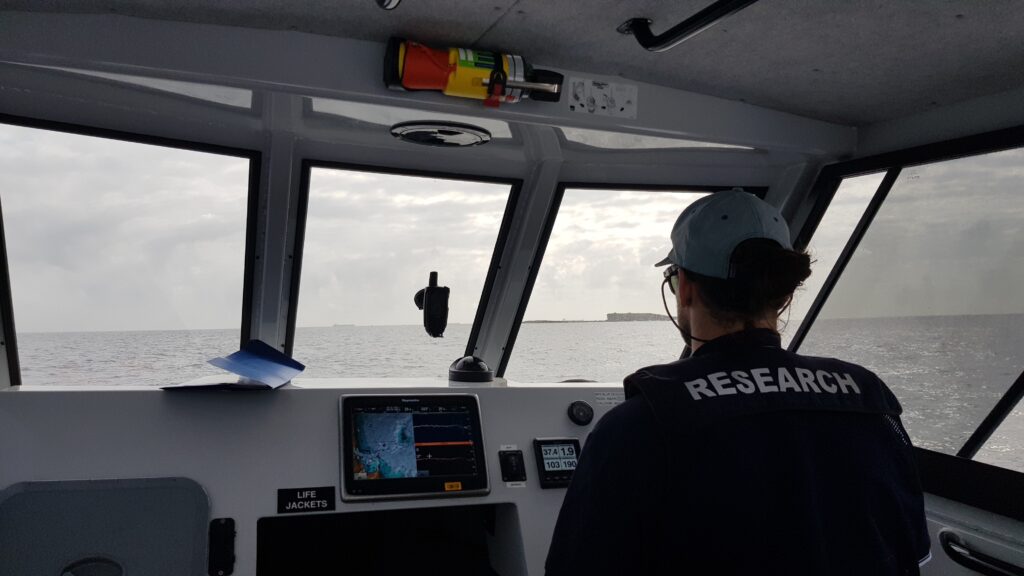
The Royal Australian Navy is training members in the use of Autonomous Underwater Vehicles (AUV) at the Australian Maritime College (AMC), based in northern Tasmania.

Under the deal, up to 80 Navy personnel will study in Tasmania each year and be taught by AMC staff how to use AUVs to enhance the country’s war fighting efforts.

Full article at: ABCNews 28feb21

Undersea’s Filmmaker for benthic sampling

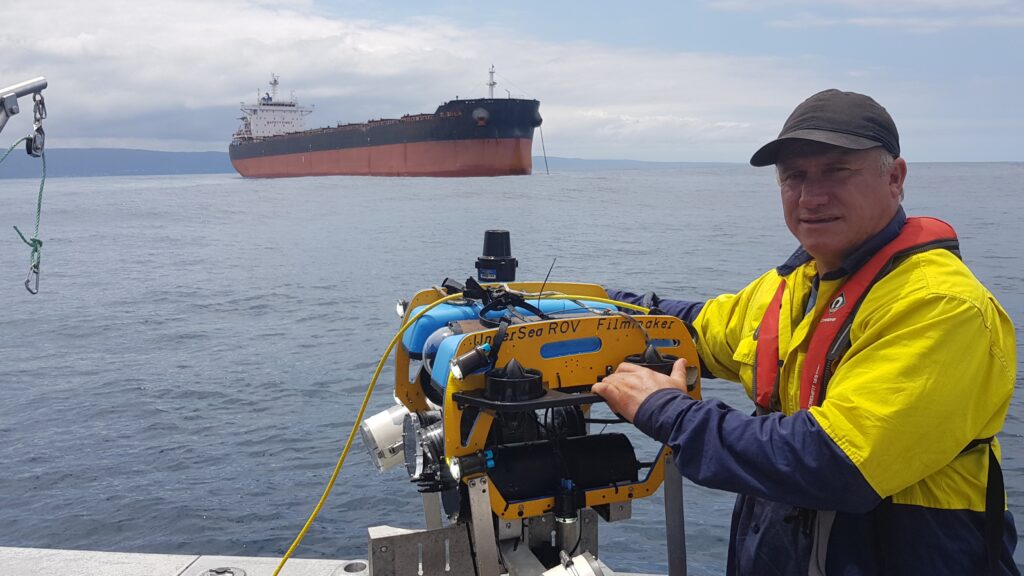
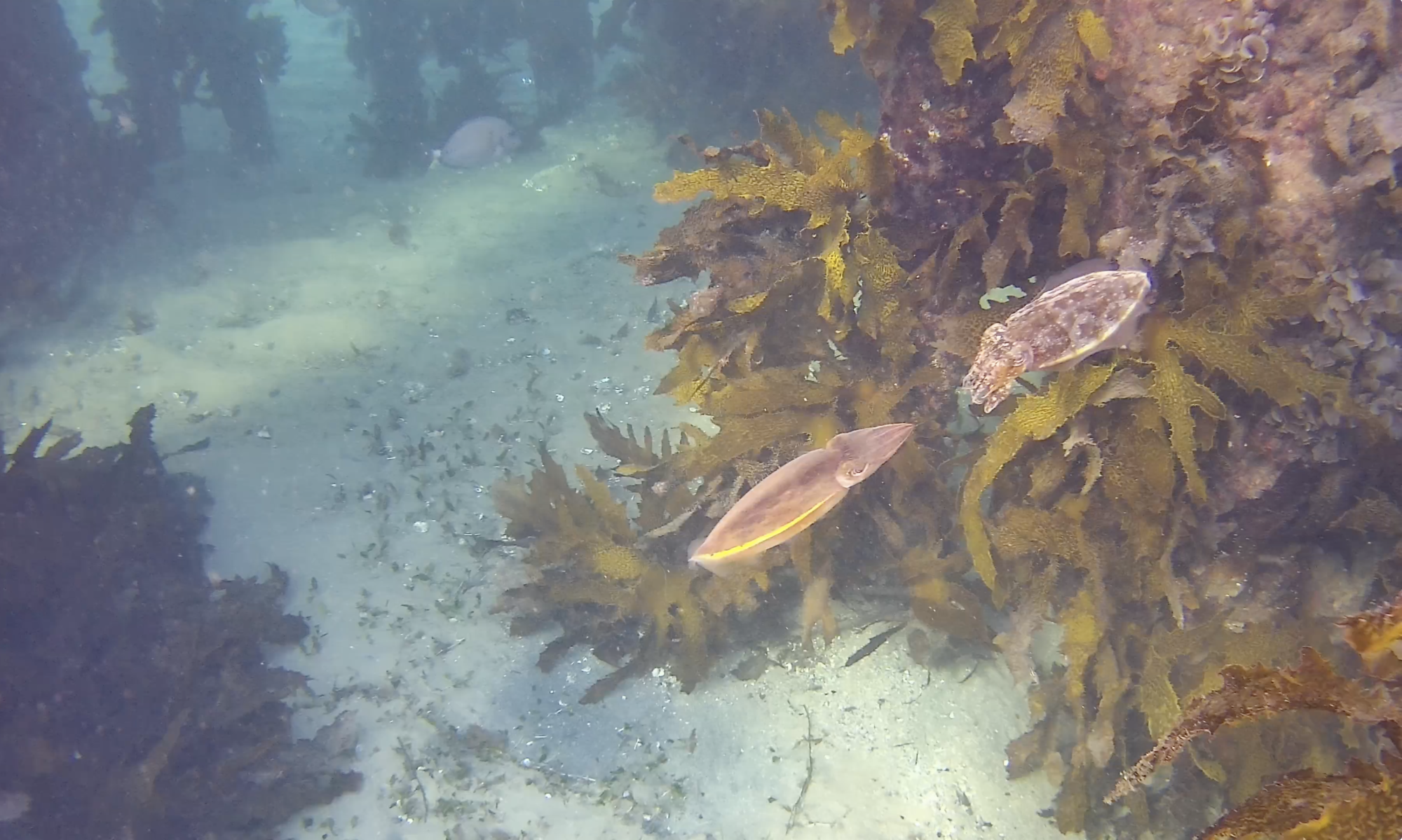
We have been working with UOW (University of Wollongong) and DPI (Department of Primary Industries, NSW) to film and sample benthic assemblages off the Wollongong coast, and plan to be back at it again next week.  We use our own customised ROV, dubbed Filmmaker, fitted with stereo cameras, a Newton Gripper, downward-facing cameras and lasers.  Filmmaker has been used for filming/sampling when the vessel is stationary, and as a controllable towed unit using a forward bridle.

UN’s Decade of Ocean Science

Did you know that 2021 is the start of United Nations’ Decade of Ocean Science for Sustainable Development?

Delivering Science for the Future We Want

Ocean Science combines a variety of disciplines (physical, geological and chemical oceanography as well as marine biology) that study and provide data on the global marine environment (marine organisms, ecosystem dynamics, ocean currents, waves, geophysical fluids dynamics, plate tectonics and the geology of the sea floor as well as fluxes of various chemical substances and physical properties within the Ocean and across its boundaries).

Over the decades, Ocean Science evolved to integrate new societal needs and encourage new partnerships among oceanographers working in different disciplines leading to new discoveries about the ocean’s role in climate regulation and coastal ocean processes.

Ocean Science can support business operations (shipping industry, fisheries and aquaculture, etc…) as well as conservation and management activities or coastal communities by predicting Ocean hazards preventing and mitigating disaster risks.  

For example, the discovery of oceanic eddies has been important for an understanding of ocean circulation, propagation of sound in the ocean, fisheries productivity, and other ocean processes.

https://www.oceandecade.org/about?tab=our-story

For more info, download their brochure here
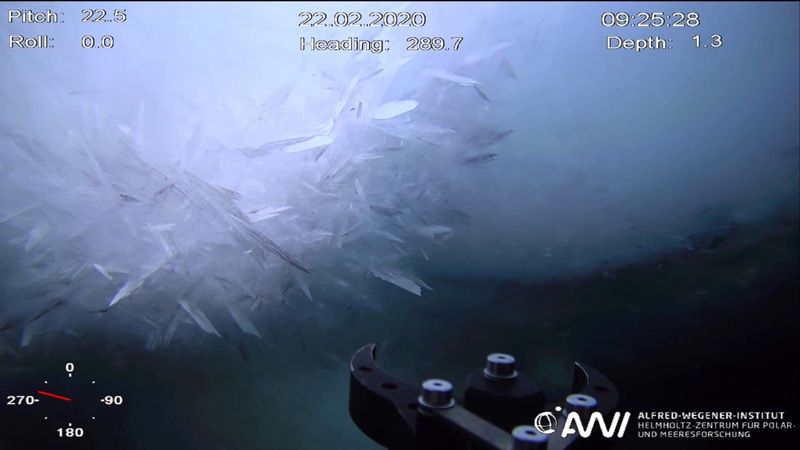
ROV “Beast” filming under Arctic Ice

Scientists from the Alfred Wegener Institute have been using an ROV, nicknamed “Beast” to explore and film under sea ice in the Arctic, as part of the Multidisciplinary Drifting Observatory for the Study of Arctic Climate Change (MOSAiC). The team found some amazing platelet ice crystals, feathery ice crystals that form at supercool temperatures and grow as large as a human hand, typically found in Antarctica, not the Arctic.