
Great Pacific Garbage Patch is Growing

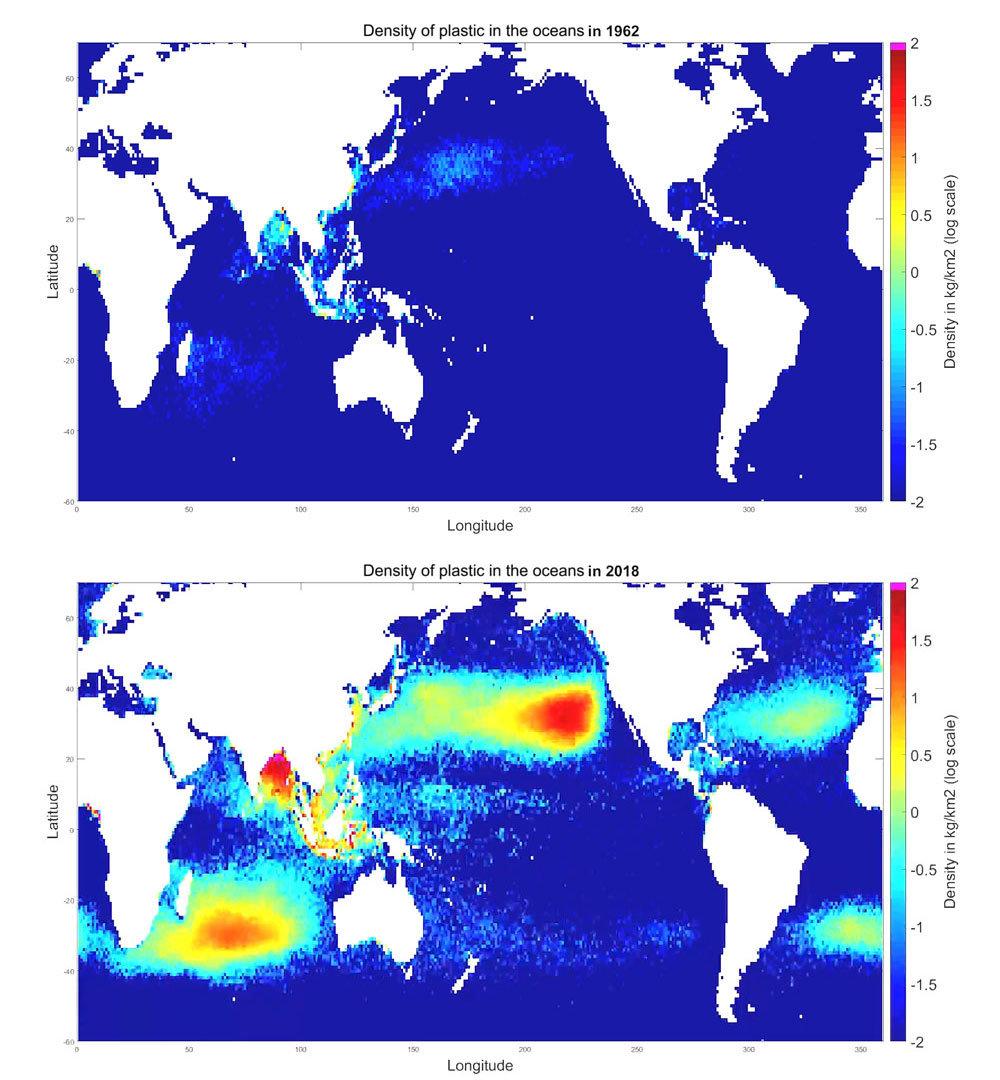
The amount of plastic debris in our oceans is growing exponentially, according to researchers at the Ocean CleanUp Foundation and a study recently published in the journal Scientific Reports. Current estimates of the amount of plastic in the Pacific Ocean stands at 87,000 tons, four to 16 times bigger than previously thought, and occupying an area roughly four times the size of California. Concerns are that large pieces of plastic rubbish will degrade into microplastics that can then enter our food chain.

What can be done? The Ocean CleanUp Foundation has developed a mechanical system that floats through the water and concentrates the plastics into denser areas that can be collected by boats and taken back to shore to be recycled. They plan to launch the first such system this summer from Alameda, California.

Full article at: NYTimes 22mar18

Oceans Density Map - Oceans CleanUp Foundation
The density of ocean plastic in 1962 (top) compared to 2018 (bottom). Credit: Ocean Cleanup Foundation

Rare Deep-ocean Jellyfish

Check out this beachball-sized, deep-ocean jellyfish spotted recently at a depth of 974m (3200ft):

It was found off the coast of Mexico’s San Benedicto Island in the Pacific Ocean by NOAA’s Hercules ROV.

Full article at: LiveScience, 23may18

Rock pool creatures

For those who like playing “Where’s Wally”, can you spot any of the following:

Seastars (likely Meridiastra calcareous)
Elephant snail (Scutus antipodes)
Purple urchin (Heliocidaris erythrogramma)
Barnacles (Cirripedia species)
Limpets
Seaweed and crayweed
Mulberry whelk (Morula marginalba) and other sea snails

Rock Pool, Mona Vale NSW

SeaPerch Marine Robotics Challenge 2018

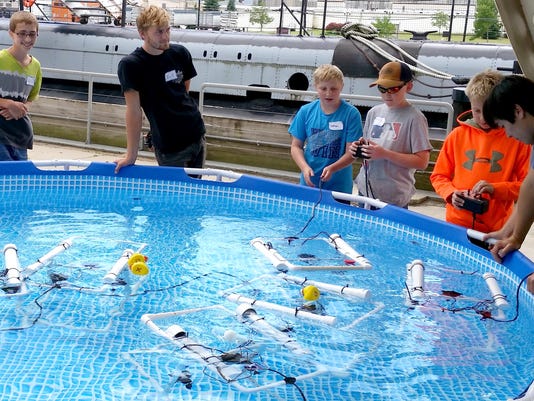
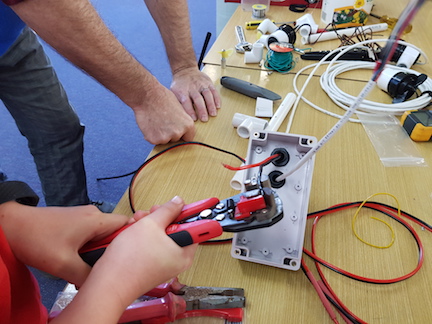
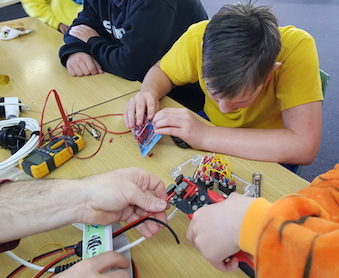
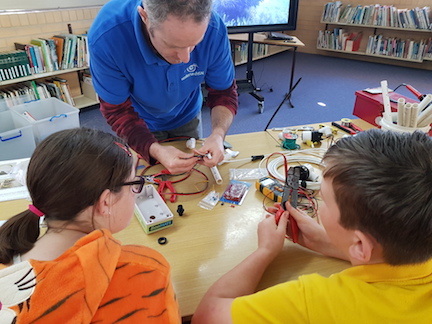
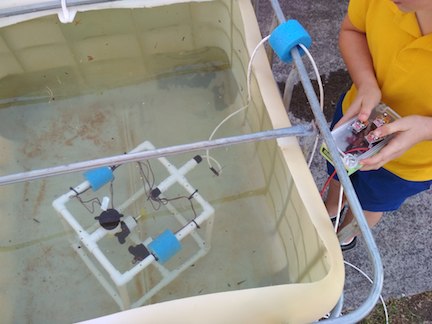
Students around the world are busy preparing for the 2018 International SeaPerch Challenge in N. Dartmouth Massachusetts in early June.  Teams start with the stock SeaPerch kit to create an underwater remotely operated vehicle.  Members then have to learn how to make their ROV more simple, streamlined and maneuverable by improving their understanding of drag, buoyancy and thrust.  Regional competitions are usually held in Feb-Apr (click here for the full schedule) and winners continue to work hard to make their vehicles even faster by June so their ROV can complete underwater tasks faster than their competitors’.

For more details, go to the 2018 SeaPerch Challenge page