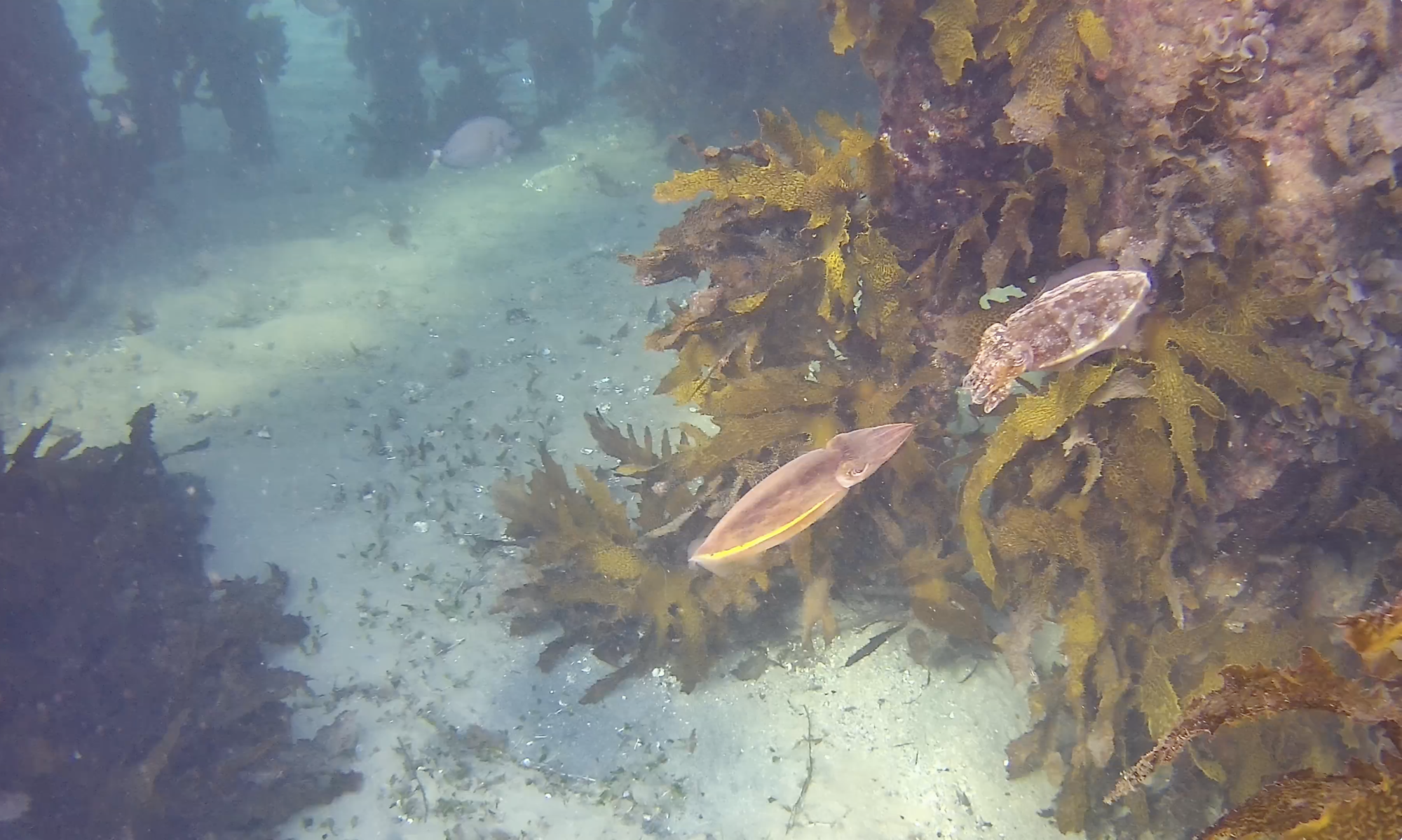

When you are next in Manly (Sydney), make some time to check out the Seaweed Forests Festival at the Manly Art Gallery and Museum from 09 April to 09 May 2021. There are amazing art displays, performances, scientific speakers and workshops organised.
Balloons danger to marine life
More and more organizations are moving away from the use and release of balloons in any form, for good reason. A study by the Institute for Marine and Antarctic Studies (IMAS) and CSIRO found that, although hard plastic accounts for the vast majority of debris ingested by seabirds, it is far less likely to kill than soft plastics such as balloons. “Although soft plastics accounted for just 5% of the items ingested, they were responsible for more than 40% of the mortalities”.
Full article at: Australasian Science May/Jun2019
Study results at: Nature.com/Scientific Reports
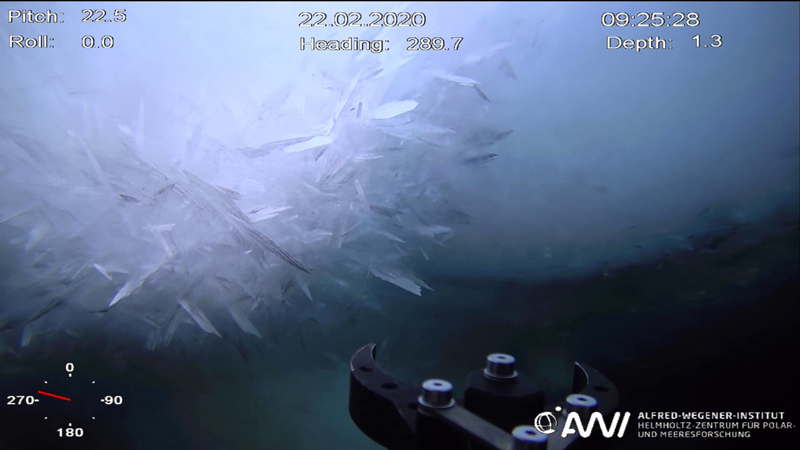
ROV “Beast” filming under Arctic Ice
Scientists from the Alfred Wegener Institute have been using an ROV, nicknamed “Beast” to explore and film under sea ice in the Arctic, as part of the Multidisciplinary Drifting Observatory for the Study of Arctic Climate Change (MOSAiC). The team found some amazing platelet ice crystals, feathery ice crystals that form at supercool temperatures and grow as large as a human hand, typically found in Antarctica, not the Arctic.


NOAA Discovers Deep Sea “Balloon-like” Jelly
A new species of carnivorous comb jelly (ctenophore) was found by NOAA’s ROV Deep Discoverer near Puerto Rico at a depth of ~4000m.

Full article at: NOAA Fisheries 20nov20

Reef-Safe Sunscreen
Summer is fast approaching in the southern hemisphere and we wanted to remind everyone about the impact of sunscreen choice on our marine habitats. A recent study has shown that ingredients like oxybenzone and octinoxate seep into young coral and contribute to coral bleaching. As a result, Hawaii has banned these ingredients in sunscreens and we encourage you to read the label before buying sunscreen this year. Tips:
- Choose mineral sunscreens made from zinc oxide and titanium dioxide, and avoid products containing nano particles – i.e. look for ‘non-nano‘
- Go non-toxic, paraben free and organic when you can! These sunscreens may be a more expensive option but it is worth keeping this earth healthy because we will all benefit in the long term
- Look for ‘water resistant’ sunscreen, because it will be more likely to stick to your skin and not wash off in the water
- “Child friendly” sunscreens are more likely to contain natural ingredients
- Use sunscreen alternatives to protect you from the sun. Wear clothing to protect your skin in and out of the water. The less surface area you apply sunscreen to is less chemicals entering our marine ecosystems!
Here are a few Australian-made brands that you can look out for (in no particular order and no specific recommendations): Invisible Zinc, Sunbutter, Sun & Earth, and Surf Mud
Have a great summer, stay healthy, and be good to our environment!