It was great fun talking to Lillian and helping Jen adjust her buoyancy in the pool for the Daily Telegraph’s Spark Festival preview!
Full article at: Daily Telegraph 20oct18

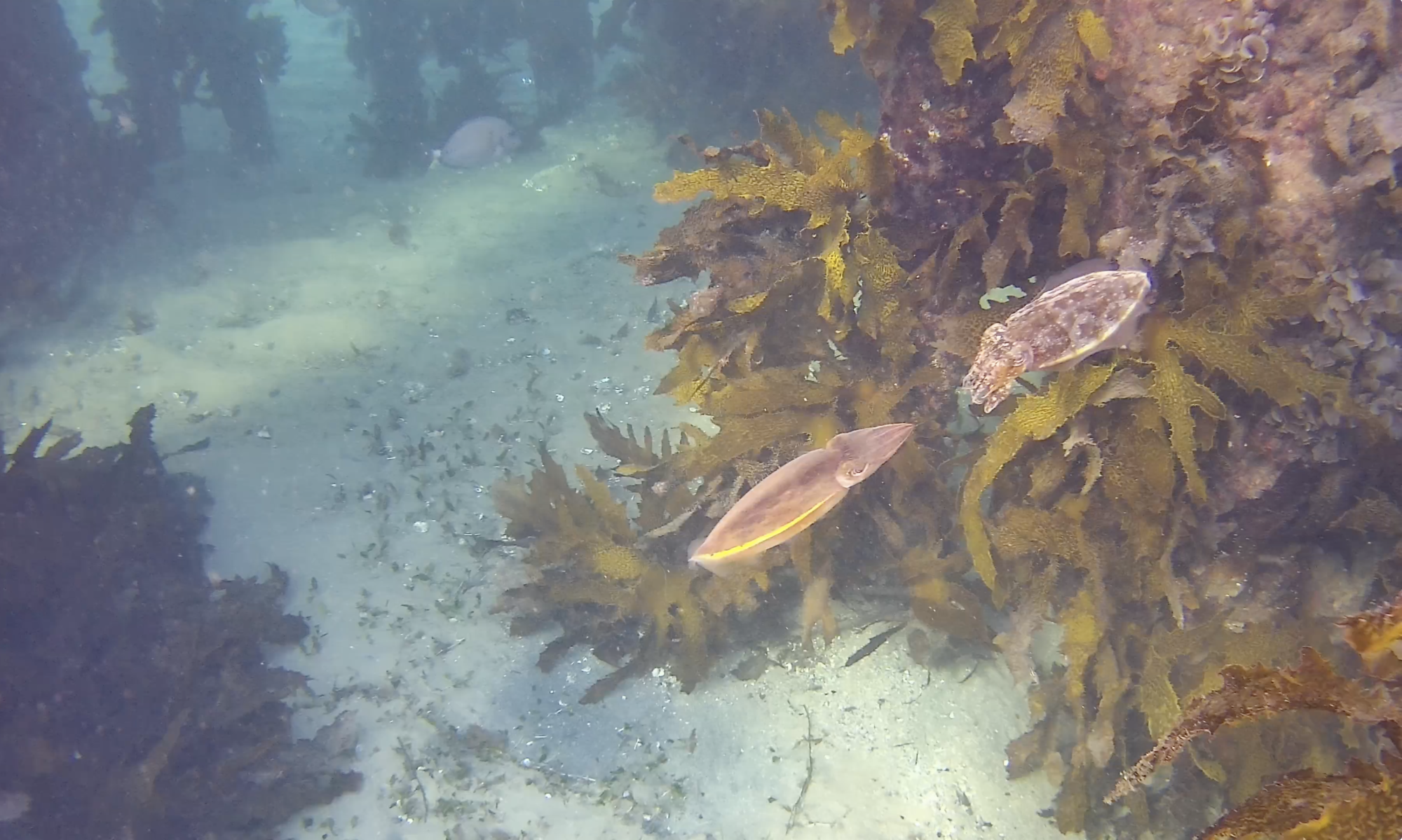

Remote Underwater Exploration
It was great fun talking to Lillian and helping Jen adjust her buoyancy in the pool for the Daily Telegraph’s Spark Festival preview!
Full article at: Daily Telegraph 20oct18
Tasmania is leading the rest of Australia with ROV use in Aquaculture for routine net, rigging and mooring inspections. Huon Aquaculture in particular has been investing in ROVs for several years now, using SeaBotix and Saab Seaeye Falcons for pen security, net inspection and sea floor surveys. Tassal also uses ROVs for deep reef inspections and environmental monitoring.
Chemists at University of Illinois at Urbana-Champaign are designing the “death of a plastic”, by building polymers with a self-destruct mechanism. It is great to see polymer chemists working to address issues like micro-plastics in the food chain or marine animal deaths from ingesting plastic waste.
Full articles at:
Sydney Morning Herald 10aug18 or
New York Times 06aug18
https://www.nytimes.com/2018/08/06/science/plastics-polymers-pollution.html?emc=edit_th_180807&nl=todaysheadlines&nlid=323232630807
The BlueROV2 is pretty robust and can handle some neglect, but to keep your unit running smoothly for longer, remember to do post-dive maintenance:
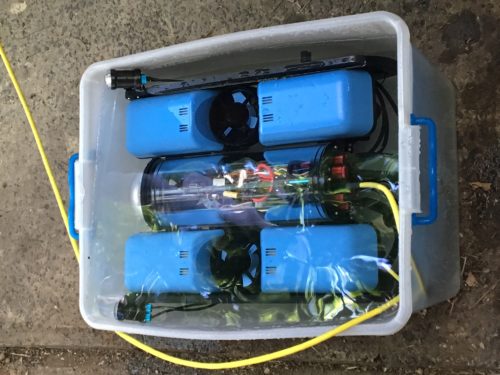
The standard BlueROV2 fits easily into a large plastic storage tub (550 x 420 x 320) if you first detatch externally-mounted lights from the frame. The storage tub can also double as a rinsing container where fresh water is at a premium.
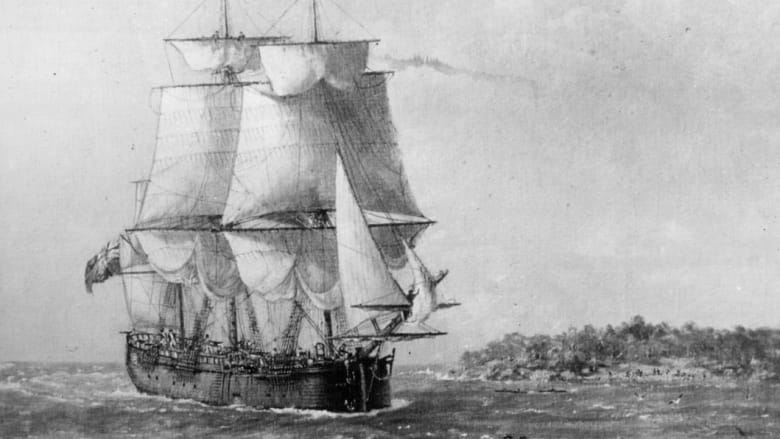
Mystery solved! Just announced on Friday, this historically significant wreck has been positively identified off Goat Island in the Narragansett Bay, off Newport Rhode Island.
Full report at: Sydney Morning Herald 19sep18