
Follow that Jellyfish

Engineers at Woods Hole Oceanographic Institute (WHOI) have designed an autonomous underwater vehicle (AUV) to study and follow individual creatures in the ocean twilight zone for up to 2 days. The build team expanded to include engineers and scientists from WHOI, the Monterey Bay Aquarium Research Institute (MBARI), Stanford University, and the University of Texas Rio Grande Valley, with additional funding from the National Science Foundation. The Mesobot is expected to make its maiden plunge into the twilight zone mid-2019.

Full article at: WHOI OceanUs Magazine 12mar19
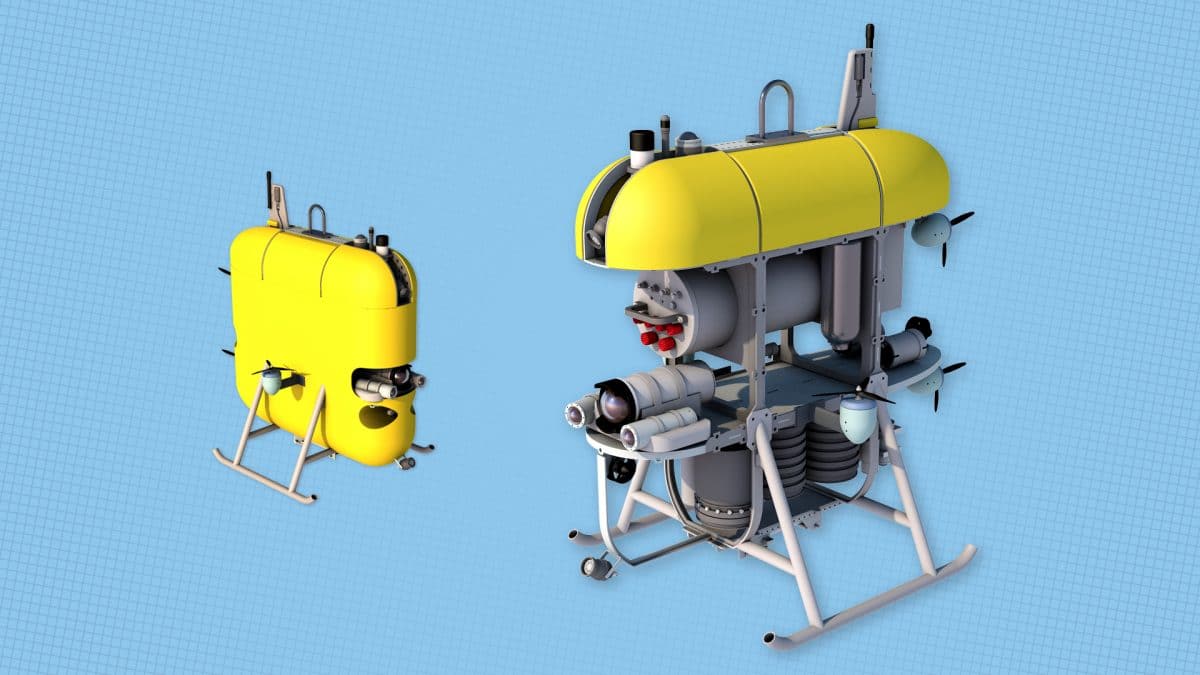
WHOI Mesobot

Battery management

Battery management and safety are important skills for ROV use.  Important tips are:

  1. Don’t let the battery voltage drop too low (see manufacturer’s specs)
  2. Set low-voltage alarms in QGroundControl to alert you when you need to swap batteries
  3. We insert our batteries in fire-proof bags for both storage and charging
  4. When travelling, we carry batteries in a metal tool box
  5. Always follow battery manufacturer’s safety procedures
  6. Never leave a charging battery unattended

Check our Tech Space for a video on how to quickly swap a battery for the BlueROV2 or set low voltage alarms in QGC.

You can also find more information about battery safety on sites like:

Mirrored Pools in Pacific Ocean

Scientists from the University of Georgia, aboard the Schmidt Ocean Institute vessel, found AMAZING “mirror-like pools” in a hydrothermal field in the Gulf of California at ~2000m depths.  The ROV SuBastian caught some incredible images, and a lot of plastic trash…